
Amazon Associates Disclosure We are a participant in the Amazon Services LLC Associates Program, an affiliate advertising program designed to provide a means for us to earn fees by linking to Amazon.com and affiliated sites.
Cutting Across the Grain
Cooking meat to perfection involves more than just timing and seasoning; the way you slice it plays a crucial role in the texture and taste of your final dish. Cutting across the grain is a technique every home cook should master, regardless of their experience level. This method shows you how to achieve tender, flavorful meat, which hinges on understanding the structure of muscle fibers and applying precise cutting techniques to different cuts of meat.
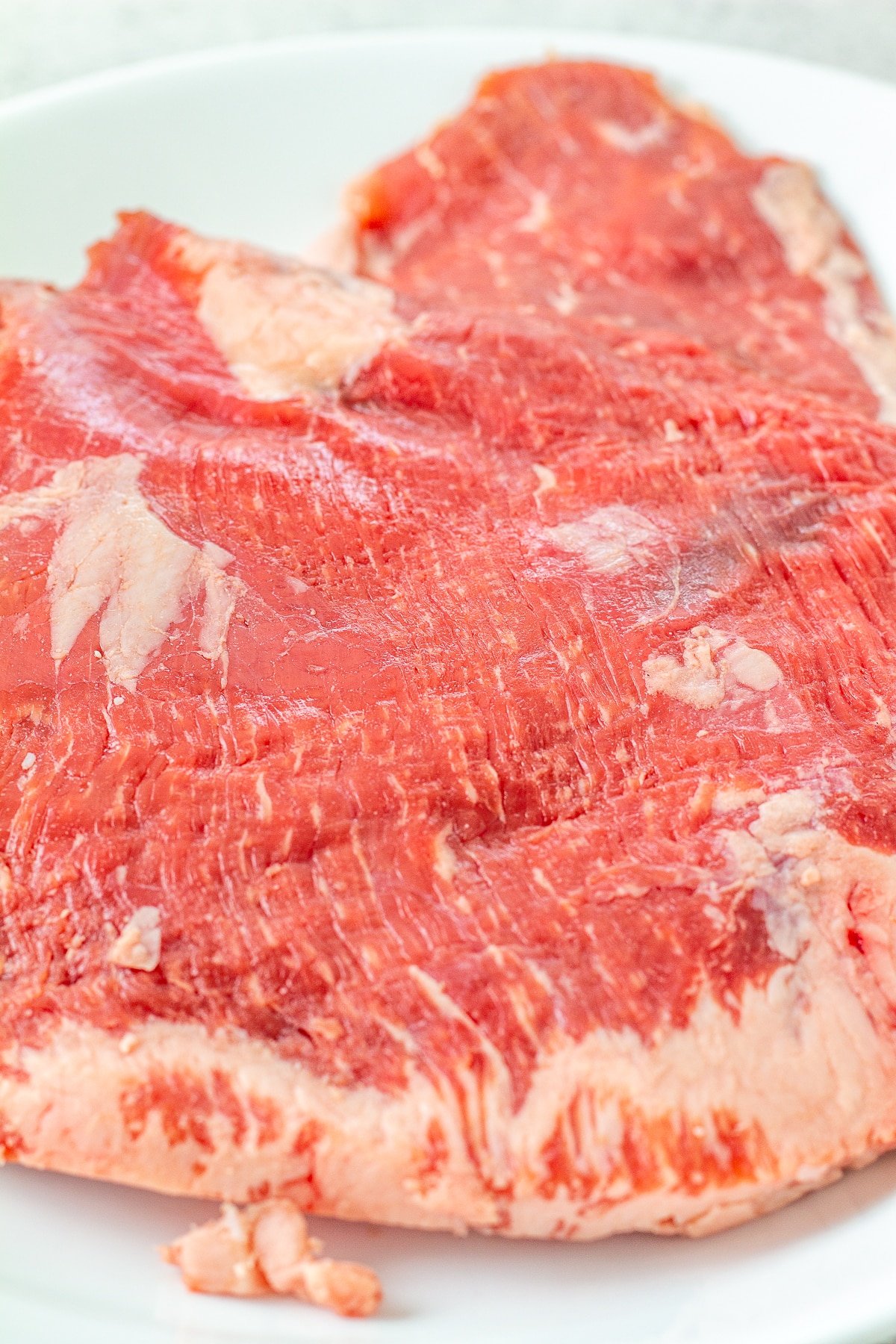
Decoding Muscle Fibers
Muscle fibers are the heart of a meat’s texture. When cooking different meats, the length of the meat fibers dictates whether the meat will be tender or tough to chew. Here are some instructions and tricks to help you get the best results, regardless of the quality of meat used in your recipes.
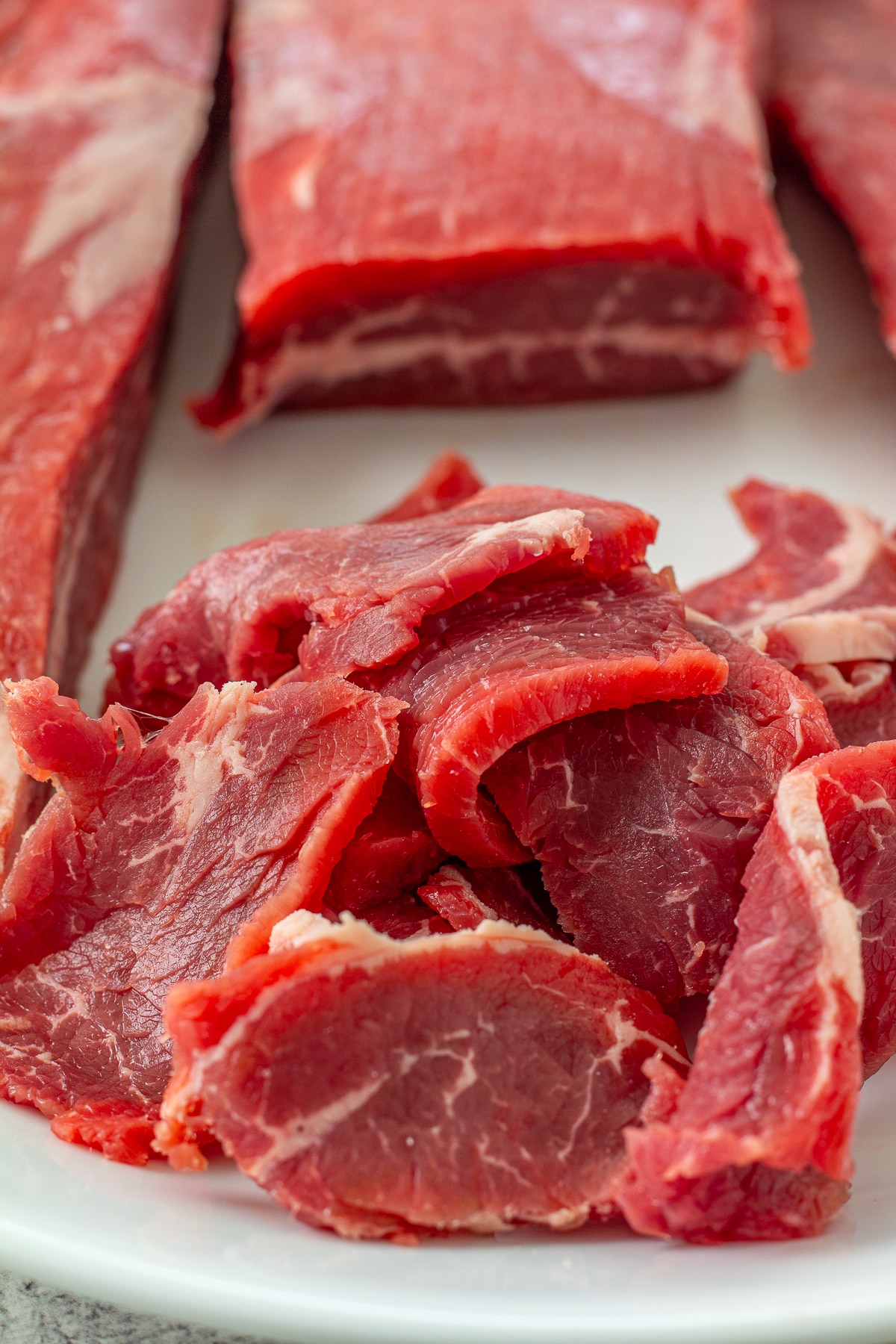
- Tenderness: The secret to tender meat lies in these fibers. Tougher cuts, endowed with long, stringy fibers, pose a challenge. However, when you slice against the grain, you shorten these fibers, drastically enhancing the meat’s tenderness and making it easier to chew.
- Choosing Your Direction: Cutting with the grain leaves you with tough muscle fibers that are difficult to bite through. In contrast, slicing perpendicularly to these fibers breaks them into short, manageable pieces, ensuring a tender bite every time.
Spotting the Grain
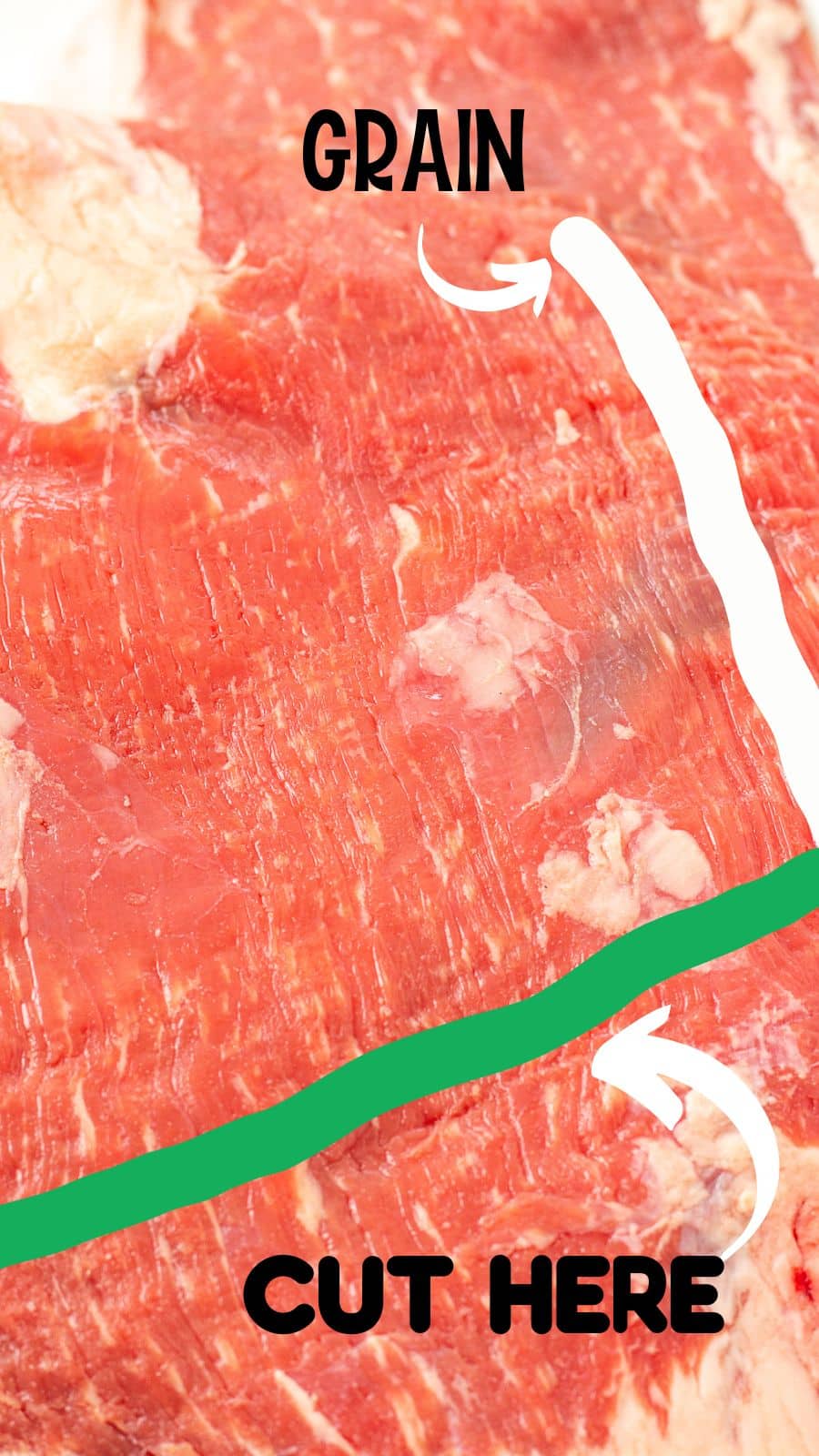
- Raw Insights: Before you slice, examine the meat to locate the grain. Search for the subtle lines going across the meat that indicate fiber direction. This is your roadmap for cutting different cuts of beef.
- Cooked Meat: When meat cooks, it shrinks and changes shape, making it difficult to see the direction of the grain. That’s why we use a trick called “scoring”. “Scoring” means making shallow cuts across the surface of the meat before you cook it. Those little cuts you made will be visible even after the meat is cooked. Use them as guides to help you slice the meat against the grain and make it perfectly tender! These marks become your guide, ensuring precision even after the meat is cooked.
Implementing the Technique
This method isn’t reserved for certain types of meat or specific dishes; it’s universally beneficial.
- For Tough Cuts: Tougher cuts of meat like brisket, flank steak, and other meats will be made into more tender, enjoyable meals by cutting across the grain.
- Everyday Dishes: Apply this technique to ensure every slice is effortlessly tender, from your Sunday roast to a weeknight steak.
- Quick Cooking: Stir-fries and fajitas benefit greatly from meat cut against the grain, as it absorbs flavors more readily and cooks evenly.
Dishes That Benefit From This Technique
Many dishes can be improved by cutting meat across the grain. Here are a few examples:
- Steak: Whether it’s a ribeye, flank, or skirt steak, slicing it across the grain will ensure each bite is tender and easy to chew.
- Roasts: For beef, pork, or lamb roasts, carving across the grain will enhance the meat’s tenderness and make for a more enjoyable eating experience.
- Stir-fries: When preparing meat for stir-fries, cutting across the grain makes the meat tender, helps it cook more quickly, and improves its ability to absorb flavors.
- Fajitas: This technique is essential for fajitas, where the tenderness of the meat is paramount to the dish’s success.
Tips for Success
- Cutting Board: Find a cutting board or surface area that is big enough to give you plenty of room for maneuverability.
- Use the Right Knife: A sharp knife, chef’s knife, or carving knife will give you clean, precise cuts.
- Thickness of the Slice: For most dishes, the width of the slice can change everything; slicing the meat into thin strips against the grain will yield the best texture and flavor. Thick slices will be a little more tough and chewy.
- Let the Meat Rest: Before cutting, let your meat rest after cooking. This allows the juices to redistribute, making the meat moist and easier to cut.
Cutting meat across the grain is more than a technique; it’s a skill that impacts your meat’s texture, flavor, and overall enjoyment. By understanding muscle fibers and applying this method, you can enhance the quality of your dishes, ensuring a very tender bite, and flavorful meat every time. Whether preparing a family dinner or a special occasion meal, remember the importance of slicing against the grain—a simple step that affects your cooking.
FOLLOW US ON SOCIAL MEDIA AND SAVE THIS RECIPE
SIGN UP TO RECEIVE NOTIFICATIONS AND NEVER MISS AN UPDATE
Editor: Grant Rimer