
Amazon Associates Disclosure We are a participant in the Amazon Services LLC Associates Program, an affiliate advertising program designed to provide a means for us to earn fees by linking to Amazon.com and affiliated sites.
Southern Butter Beans



Butter beans, also called large lima beans, are common in Southern kitchens. They show up on dinner tables as both a main dish and a side, depending on what else is being served. Slow-cooked with just a few ingredients, they turn thick and creamy on their own, no milk or cream needed.
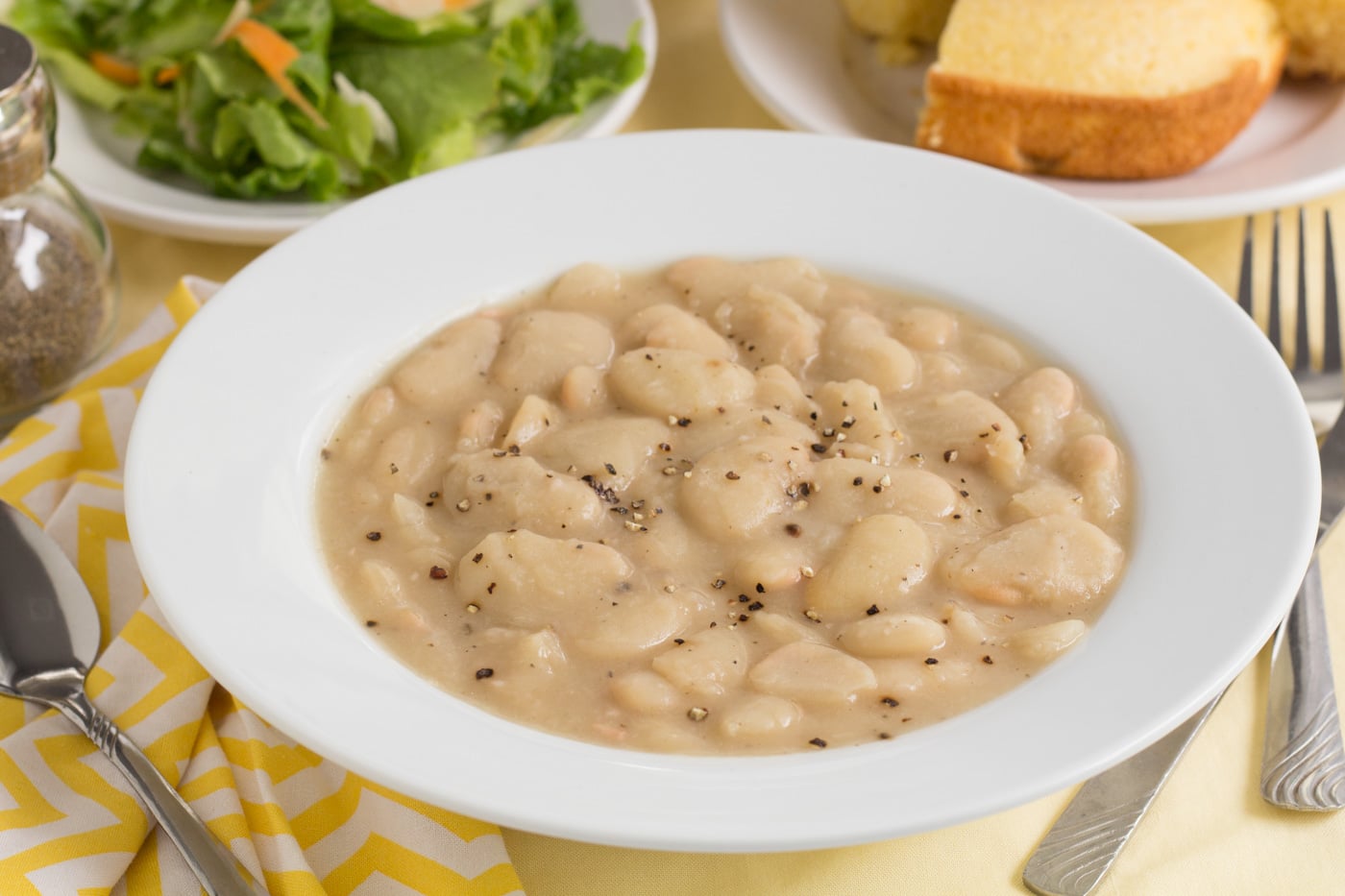
These beans work as a main dish served with cornbread or as a side for barbecue, fried chicken, or smoked sausage. You can skip the overnight soak entirely. These cook up tender with just a quick rest and rinse after an initial boil. As they simmer, the beans release natural starches that create a rich, thick texture without any need for added cream. This method is flexible and works on the stovetop, in a slow cooker, or in an Instant Pot.
I didn’t grow up eating butter beans. Where I’m from, we had ham and beans, but butter beans? Never heard of them. That changed when I moved to Mississippi. In the South, they’re everywhere.
Don’t miss the good stuff! Scroll down past the recipe card for helpful Pro Tips and additional information.

Classic Butter Beans
Ingredients
- 1 pound dried large lima beans
- 1/2 large onion diced
- 1 teaspoon garlic powder
- 1/2 teaspoon Creole seasoning
- 1/4 teaspoon crushed red pepper
- 1/2 teaspoon ground black pepper
- 2 bay leaves
- 1/2 cup salted butter optional
- 1 cup diced ham optional
Instructions
- Sort and rinse the beans. Beans do not need to be pre-soaked.1 pound dried large lima beans
- Place the beans into a large saucepan with enough water to cover the beans by an inch or two.
- Place the pan of beans over high heat and cook just until boiling.
- Remove the beans from the heat and cover with a lid and allow the beans to sit for at least one hour.
- Drain the beans and rinse again.
- Place the beans back into the pan and cover with water.
- Place the beans back on the stove and bring to a boil. When the beans begin to boil reduce the heat to a simmer.
- Add the remaining ingredients, except ham if using and butter, and stir well to combine.1/2 large onion, 1 teaspoon garlic powder, 1/2 teaspoon Creole seasoning, 1/4 teaspoon crushed red pepper, 1/2 teaspoon ground black pepper, 2 bay leaves
- Allow the beans to simmer for 1 1/2 to 2 hours or until the beans are tender, stirring occasionally and adding water as necessary. If using butter, add it after 1 hour of simmering, and stir into the beans.1/2 cup salted butter
- If using ham, allow the beans to cook at least an hour before adding the ham.1 cup diced ham
- When beans are tender, remove from heat and serve with cornbread or over rice for a complete meal.
Notes

Nutrition
Nutrition information is automatically calculated and may vary based on exact ingredients used. For accuracy, consult a registered dietitian or nutritionist.
Alternative Cooking Methods
Slow Cooker
Follow the quick soak method on the stovetop first. This is necessary to ensure the beans soften properly. After rinsing, place the beans in a 6-quart slow cooker with fresh water and all seasonings. Cook on high for 4 to 5 hours or on low for 8 hours. Add the butter and ham during the last hour of cooking to ensure the fat emulsifies with the starch for a creamy finish.
Instant Pot
The pressure cooker is fast, but it is not the best way to get creamy beans because you cannot add the fat mid-cook. To get the right texture, add the rinsed beans, seasonings, and 6 cups of water to the pot. Skip the butter for now. Set to manual high pressure for 30 minutes with a 20-minute natural release. After opening, stir in the butter and use the sauté setting to simmer the beans for 10 to 15 minutes. This extra step is the only way to get the fat to emulsify with the starches.
Adding Meat
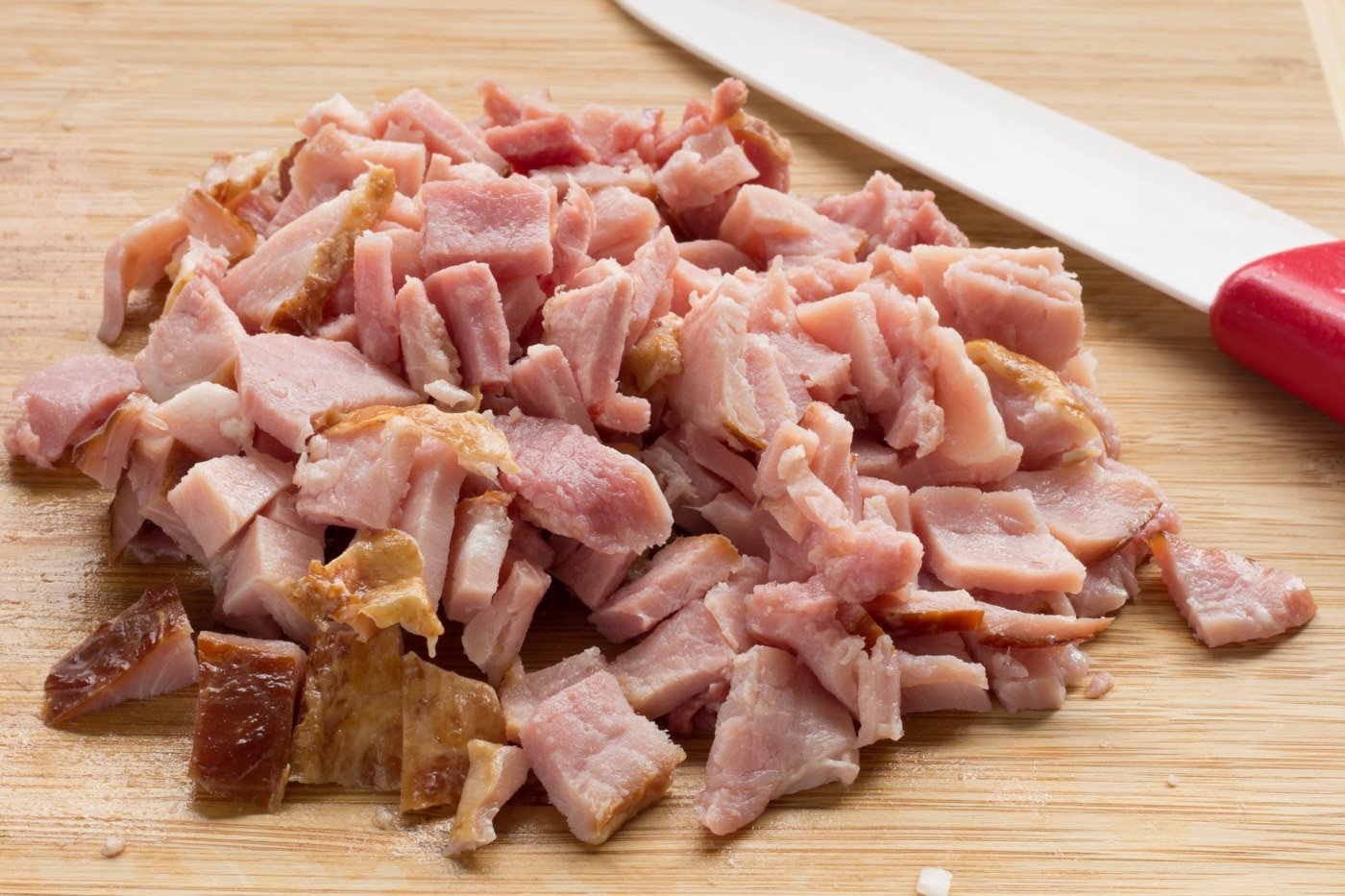
Bacon
If you want to add bacon, cook four to five thick slices until crispy, then set them aside. Instead of using all butter, replace some of it with bacon grease for extra flavor. Crumble the cooked bacon and stir it into the beans about 15 minutes before serving.
Ham and Ham Hocks
- Ham hocks: Add these at the beginning, when the beans start to simmer. About 30 minutes before serving, take them out and let them cool slightly. Once cool enough to handle, pick the meat off the bones and stir it back into the beans.
- Leftover ham: If using diced ham instead, wait until about an hour into the simmering process before adding it. This gives it time to infuse flavor without overcooking. I’ve also used sliced boiled ham that I use for sandwiches in a pinch.
Storage & Reheating
Leftovers keep in an airtight container in the fridge for up to 4 days. While you can technically freeze leftovers, I sure wouldn’t. The beans burst when they thaw and you end up with skins floating in thick liquid.
To reheat, warm them gently on the stovetop over low heat, stirring occasionally. Add a splash of water if they’ve thickened up too much. If you’re using the microwave, heat in short intervals and stir between each one so they heat evenly, water can also be added using this method if needed.
Pro Tips
Our recipe uses the quick soak method. While you are technically soaking the beans, you skip the overnight soak.
Meat is completely optional. Just leave out the ham or bacon. If you want to add some smoky depth, try a little smoked paprika or a drop of liquid smoke. Fair warning, go easy when using liquid smoke, I think it has an odd after taste.
Add fat during cooking, not just at the end. A guy from New Orleans once told me his secret to creamy beans: add fat during cooking. He was right! Stirring in butter, oil, or Grandma’s way, bacon grease, halfway through cooking helps coat the beans and enhances their creamy texture.
Don’t over-stir. Stirring too often breaks the beans apart. Just stir enough to keep them from sticking to the bottom of the pan.
Keep the heat low. Cooking at a gentle simmer instead of a rolling boil helps keep the beans intact while allowing the starches to slowly leach out and thicken the broth.
If your beans are not tender after two hours, they are probably older. Add more liquid and keep simmering. It could take another hour.
Sometimes dried beans can have a naturally bitter taste, especially if they are older. If this happens, try adding a splash of apple cider vinegar and a teaspoon or two of sugar to balance the flavor.
If the broth is too thin, let them simmer uncovered and stir a little more often. Breaking up a few beans on the side of the pan will naturally thicken things up.
Mushy beans of all varieties usually happen for the same reasons. They were either cooked at too high of a heat or you let them sit for too long before serving or refrigerating.
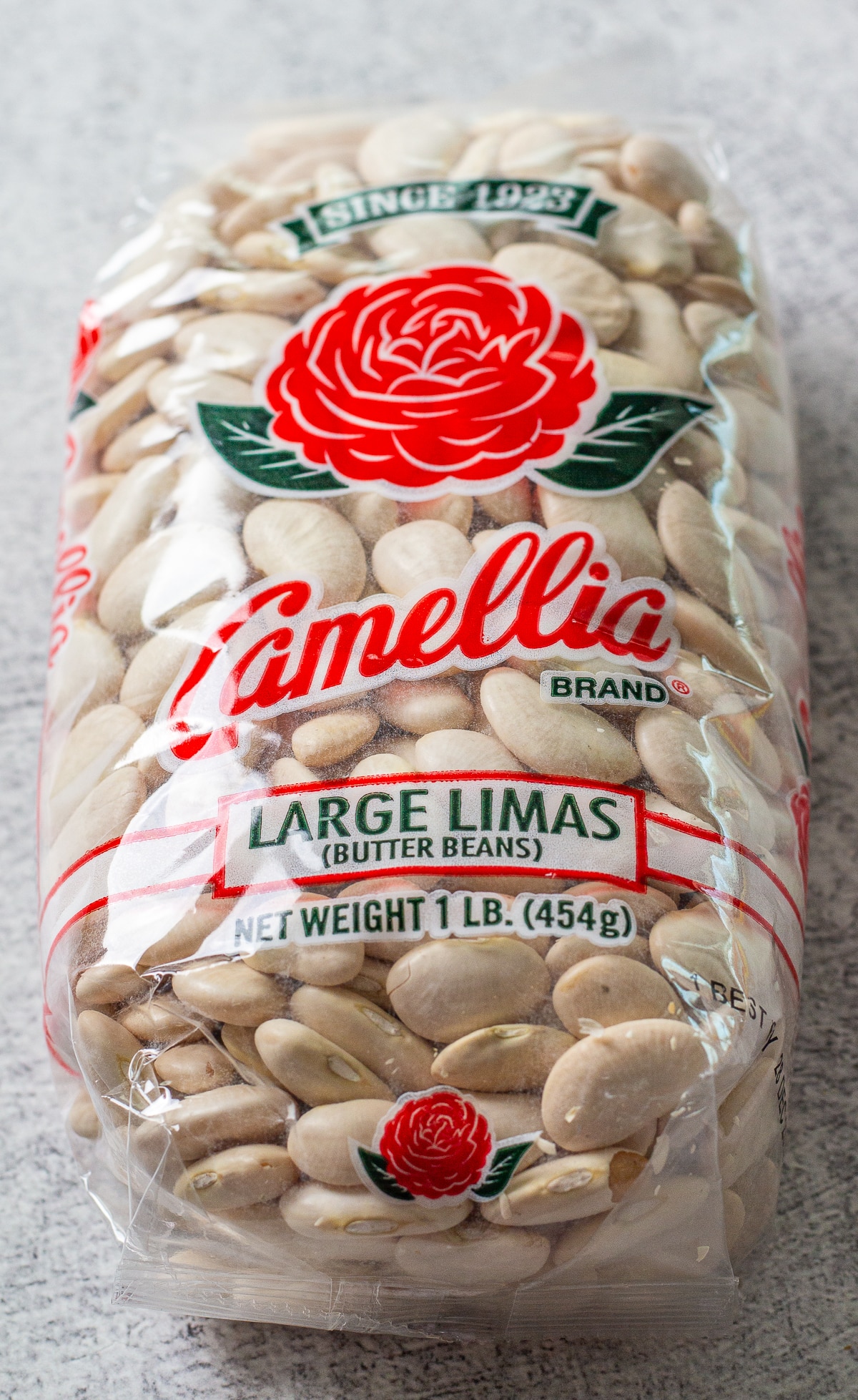
If you can’t find butter beans in the store, you are not alone. Once, I had a neighbor ask me about them because he could never find them for his husband. Turns out, he didn’t realize butter beans are just large dried lima beans. If you’ve only ever seen them in a can, those are just cooked large limas, ready to eat. Same beans—just different prep, different name.
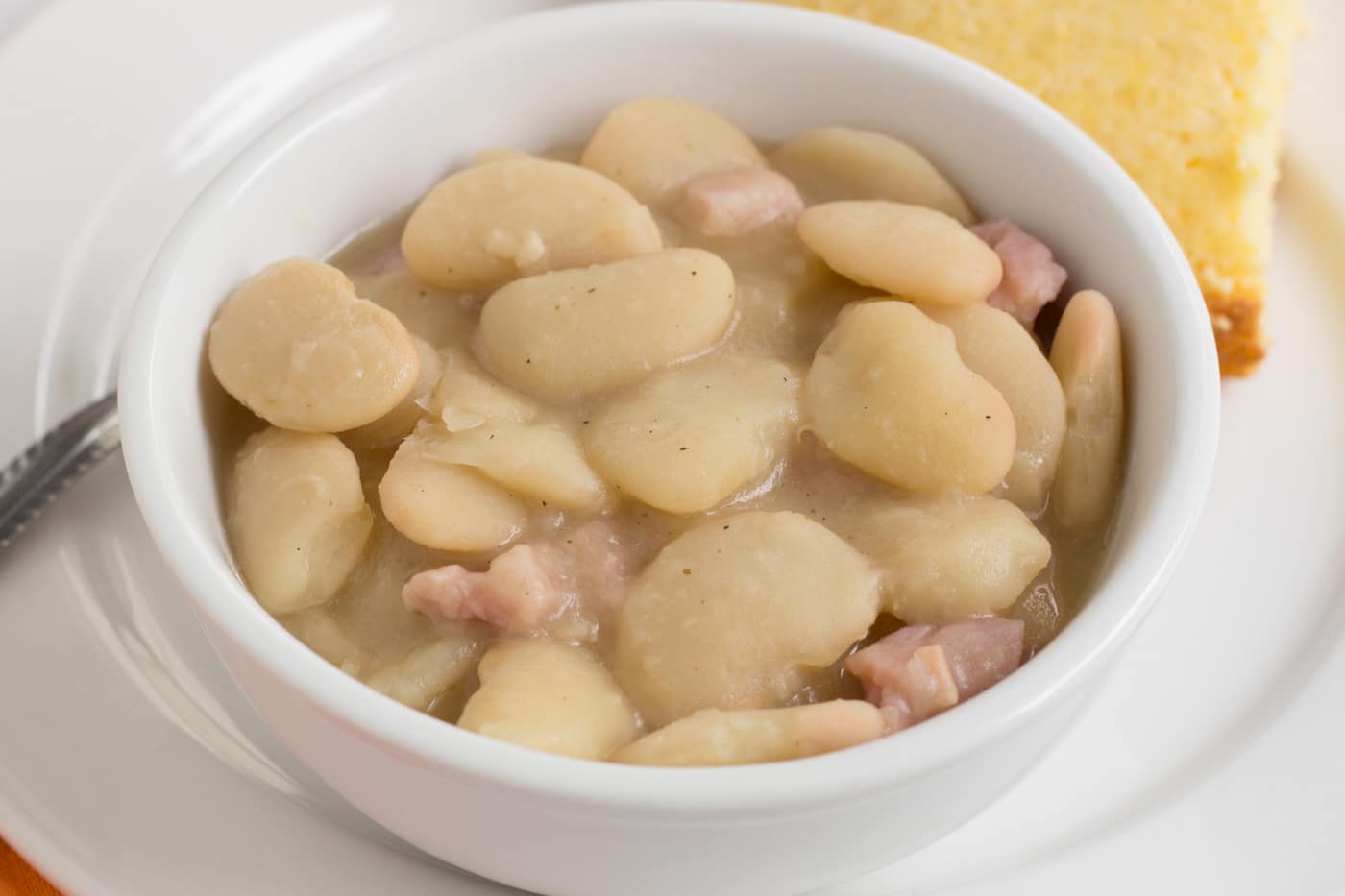
What to Serve with Butter Beans
These beans pair well with just about anything, but here are a few favorites:
- Cornbread – Classic choice, great for soaking up the broth.
- Collard Greens – A Southern favorite that balances the richness of the beans.
- Cucumber and Tomato Salad – The fresh veggies and vinegar adds a nice acidic contrast to go with a rich meal like this one.
- Fried Chicken or Pork Chops – If serving as a side, they go great with crispy, golden meats.
FOLLOW US ON SOCIAL MEDIA AND SAVE THIS RECIPE
SIGN UP TO RECEIVE NOTIFICATIONS AND NEVER MISS AN UPDATE
Want to See The Kitchen Tools We Love? Check Out Our Amazon Storefront For Some of Our Favorite Gadgets, Gear, and Ingredients! This is an affiliate link, we may earn commission from your purchases.
This recipe was written and tested by a human.