
Amazon Associates Disclosure We are a participant in the Amazon Services LLC Associates Program, an affiliate advertising program designed to provide a means for us to earn fees by linking to Amazon.com and affiliated sites.
The Holy Trinities of Cooking
When it comes to cooking, every cuisine has its secret weapons – those go-to combinations of ingredients that form the backbone of its recipe. Often referred to as the “holy trinities,” these trios provide a flavor ratio that can turn a simple meal into a masterpiece. From the aromatic depths of French mirepoix to the beautiful blend of Italian tomato, basil, and garlic, all the way over to the New Orleans-inspired Creole onions, celery, and bell peppers, let’s explore these fundamental trios across various culinary traditions.
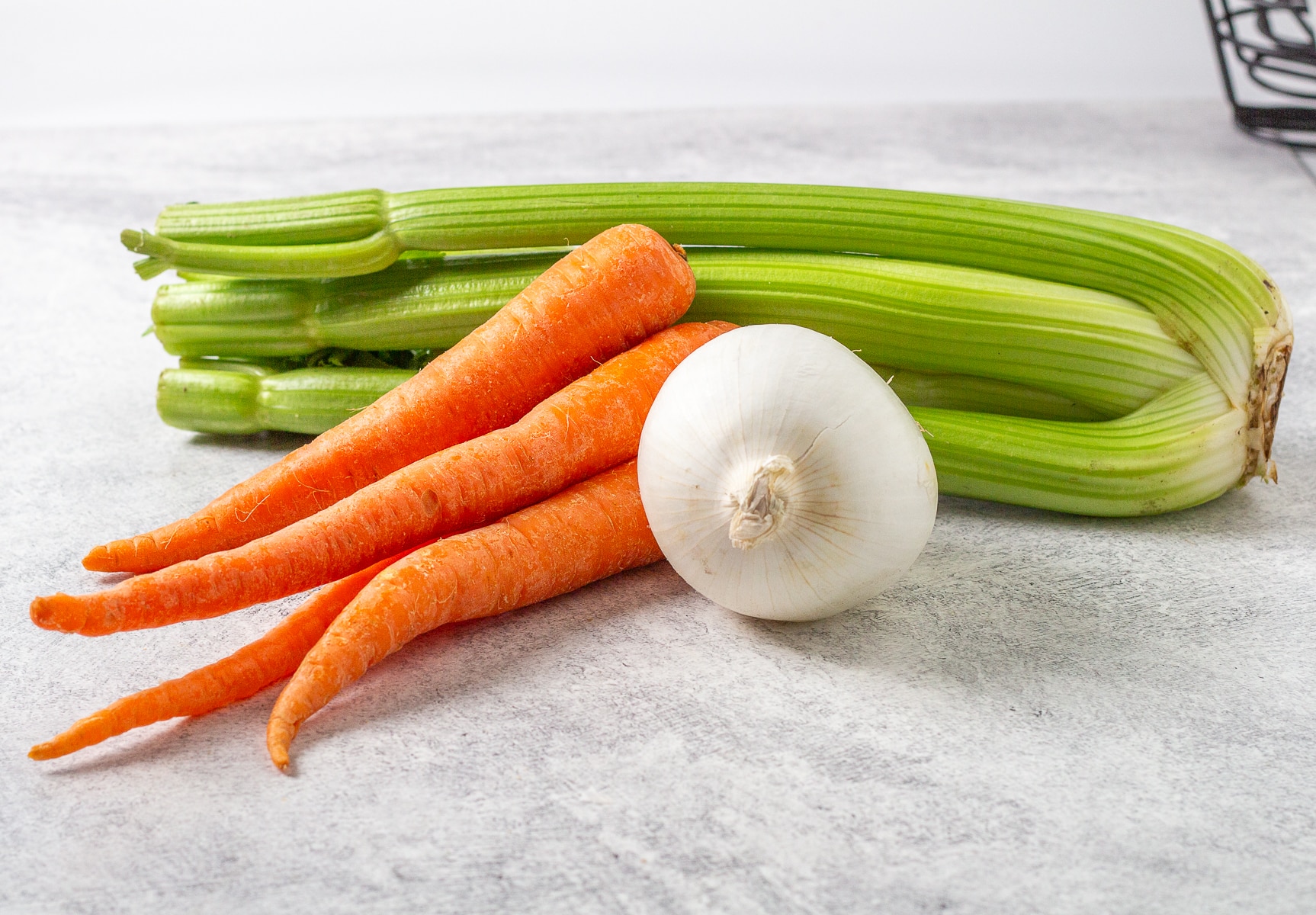
French Cuisine: The Classic Trio
Mirepoix is the ideal French “holy trinity.” Comprising onions, carrots, and stalks of celery, this combination is sautéed together to create a flavor base that enriches everything from stocks and soups to stews and sauces. It’s a testament to how simple ingredients, when combined, can produce deep, complex flavors.
In the realm of sauces, France gives us the “mother sauces”: Béchamel, Velouté, and Espagnole. These sauces are the foundation from which many other sauces are born, showcasing the versatility and depth of French cooking.
Fines Herbes, a delicate blend of parsley, chives, tarragon, and chervil, offers a fresh counterpoint to the richer bases, adding layers of flavor that are subtle yet distinctly French.
Italian Cuisine: The Essence of the Mediterranean
Italy’s holy trinity often starts with tomatoes, basil, and garlic. This trio is the heart of many Italian dishes, providing a fresh, aromatic base that sings of the Mediterranean. Whether in a simple Caprese salad or a classic Margherita pizza, these ingredients epitomize the simplicity and freshness of Italian cuisine.
Another Italian trio, Olive Oil, Garlic, and Chili Flakes, brings warmth and depth to dishes, infusing them with a simplicity that’s anything but plain. This combination is often the starting point for pasta, sautéed vegetables, and seafood, offering a flavorful and inviting kick.
Cheese plays a pivotal role in Italian cooking, with Parmesan, Mozzarella, and Ricotta standing out as key players. These cheeses add creaminess, stretchiness, and depth to dishes like lasagna, pizza, and risotto, showcasing the versatility and importance of dairy in Italian cuisine.
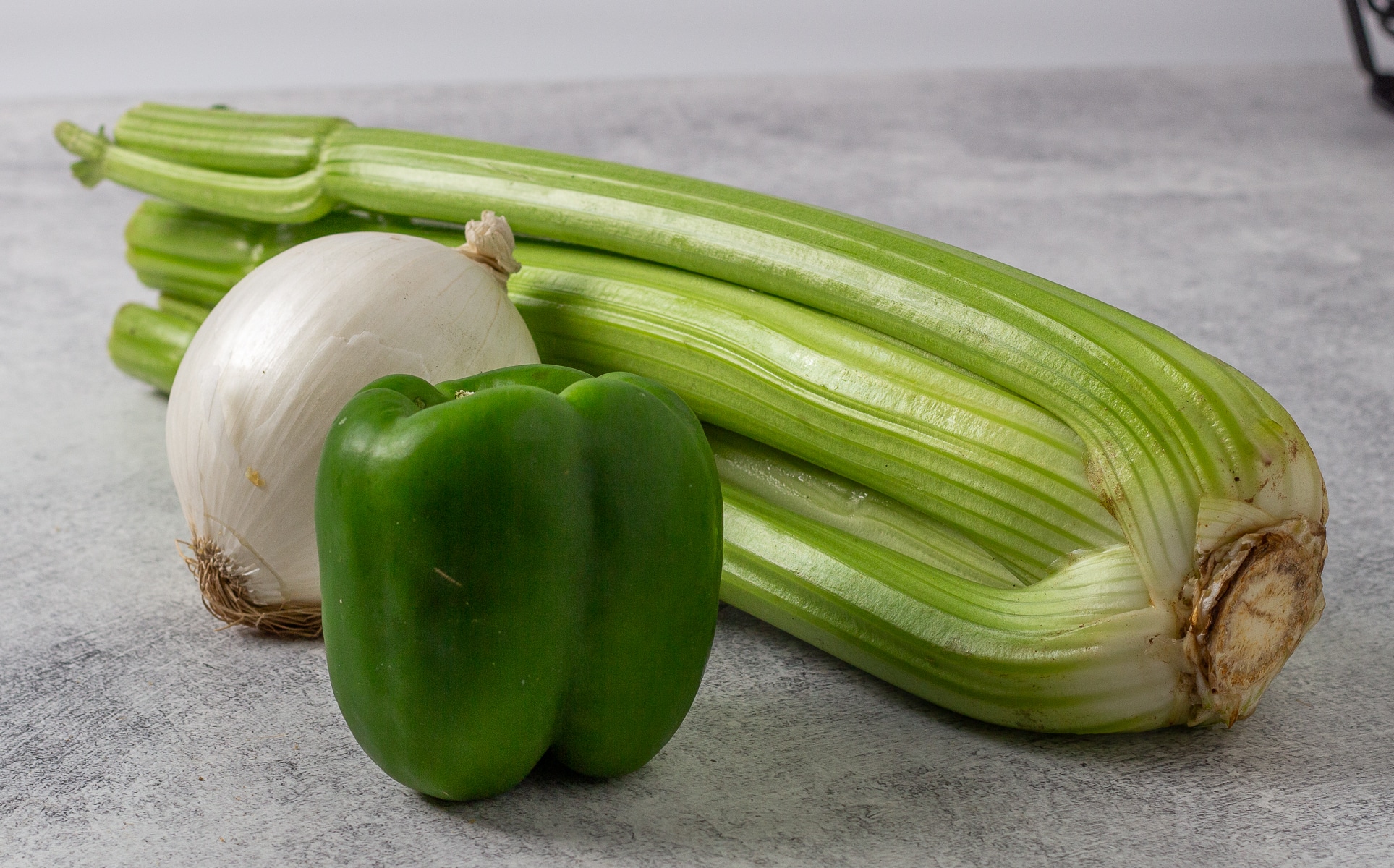
Cajun and Creole Cuisine: The Soulful Blend
Mirroring the French mirepoix, Creole and Cajun cooking has its own trinity: Onions, Celery, and Bell Peppers. This cajun trinity is the starting point for many dishes, including gumbo, jambalaya, and crawfish étouffée, bringing a unique flavor profile to the heart of Louisiana’s culinary heritage.
Herbs such as Thyme, Oregano, and Bay Leaves add another layer of flavor, infusing dishes with aromas and depths that are distinctly Cajun and Creole. These herbs are the soul of the cuisine, bringing life to every dish.
Proteins play a significant role, with Andouille Sausage, Shrimp, Chicken, and Crawfish often taking center stage. These ingredients are not just sources of flavor but also incorporate the spirit and tradition of Cajun and Creole cooking.
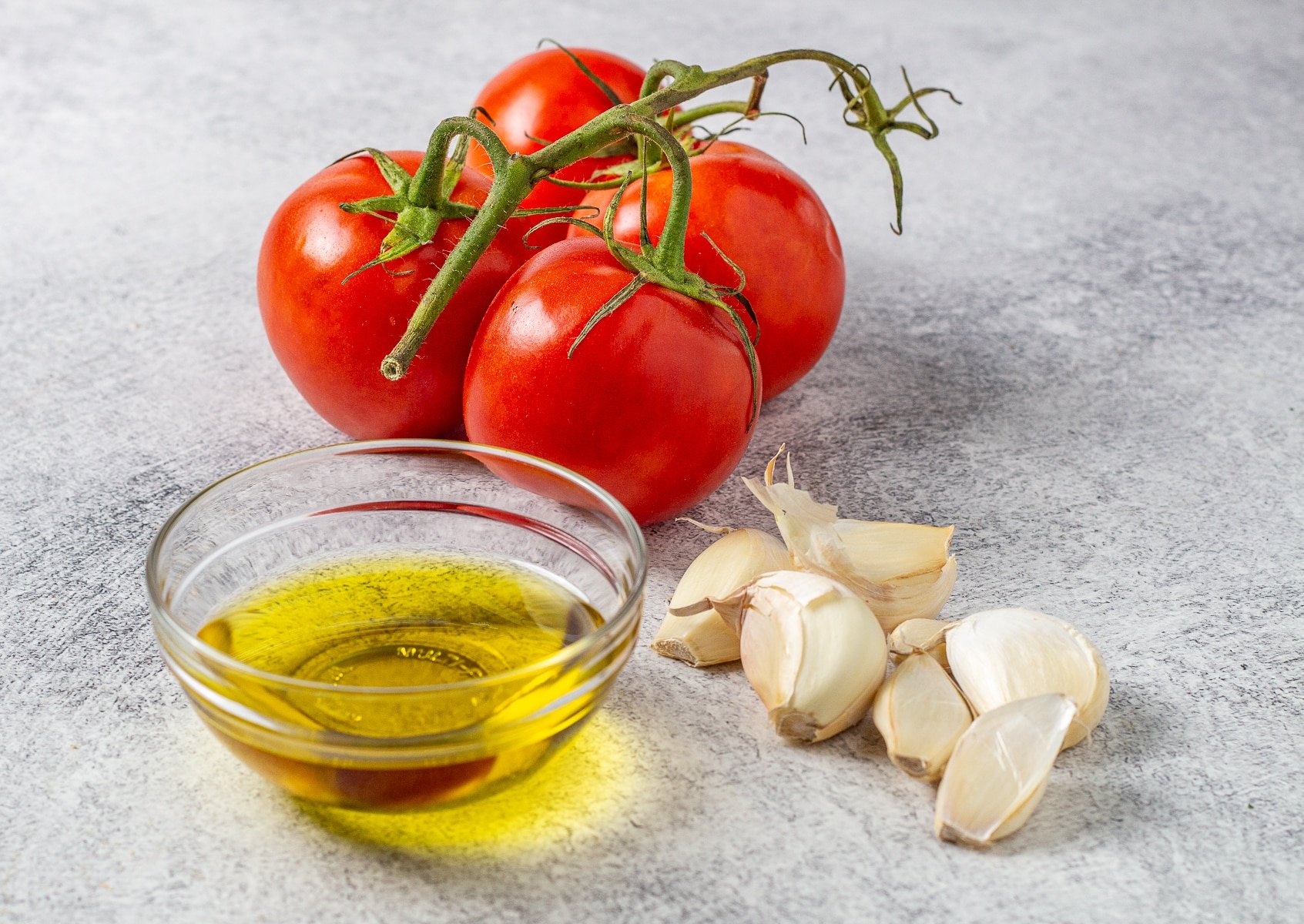
Spanish Cuisine: The Warmth of Spain
The Spanish trio of tomatoes, olive oil, and garlic forms the basis of many iconic dishes, from gazpacho to paella. This combination is about more than taste; it’s about bringing the warmth and passion of Spanish cooking to every bite.
Spices like Saffron, Paprika, and Cumin are often used to add color, warmth, and depth to dishes, highlighting the importance of spice in Spanish cuisine. These spices are the key to the country’s distinctive flavors, making dishes like chorizo and patatas bravas stand out.
Sherry Vinegar, Olive Oil, and Sea Salt are essential for dressings and marinades. This trio balances acidity, fat, and seasoning, perfect for finishing dishes with a touch of Spanish flair.
The holy trinities of cooking are more than ingredient lists; they are the essence of each cuisine’s identity. By starting with these foundational combinations, home cooks can bring the world into their kitchens, exploring the depths of flavor that make each culinary tradition unique. Whether you’re simmering a French sauce or tossing an Italian pasta, remember that these trios are your stepping stones to authentic, flavorful cooking.
Editor: Elizabeth (Beth) Mueller